




Introduction
In the bustling world of health and wellness, herbal supplements stand out as green leaves smiling from the heart of nature. From ginseng to echinacea and matcha, these products promise enhanced energy, a boosted immune system, and overall better health. But what does science say behind these attractive promises? Can herbal supplements really work miracles, or are they simply a clever marketing trick? In this article, we’ll answer this crucial question with a scientific and unbiased look, putting the effectiveness of the most popular herbal supplements under the microscope.

A Brief History of Herbal Supplements
For centuries, humans have turned to nature to maintain health and treat illnesses. From ancient Egypt, with its papyri full of herbal instructions, to Traditional Chinese Medicine (TCM) and Ayurveda in India, with their thousands of years of history, the use of plants for therapeutic purposes has deep roots in human culture. Ancient Greek physicians like Hippocrates also played a key role in documenting the healing properties of plants. This knowledge was transmitted between the East and West through trade routes, such as the Silk Road, reaching great civilizations like Iran, where unparalleled physicians like Avicenna and Rhazes brought it to its peak. Today, this traditional knowledge is combined with modern research, turning herbal supplements into one of the most popular options for maintaining health.

Scientific Challenges in Studying Supplements
Despite their rich history, the scientific study of herbal supplements faces significant challenges. First and foremost, unlike chemical drugs that have a single, stable compound, plants contain hundreds of active compounds whose quantity and composition can vary depending on where the plant was grown, the harvest season, and the processing method. This variation makes it difficult to replicate the results of one study in another. Furthermore, many studies conducted on these supplements have been small-scale and short-term, and sometimes lack a proper control group, which calls the validity of their results into question. Therefore, to judge the effectiveness of an herbal supplement, one must look beyond advertising and seek out reliable scientific data.
A Scientific Look at the Most Popular Supplements
Matcha: An Analysis of Its Popularity and Scientific Benefits
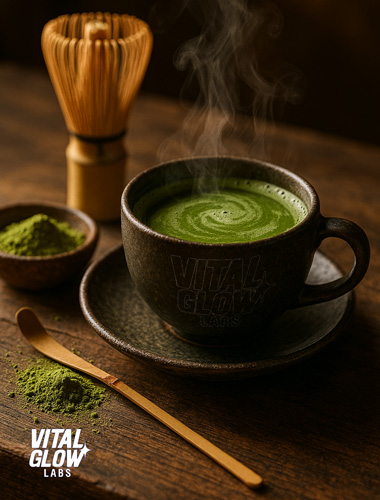
Matcha green tea powder, once used exclusively in traditional Japanese ceremonies, has become a global superfood sensation thanks to its stunning green color and health benefits. Unlike regular green tea, matcha is made from the entire powdered tea leaf, thus containing a higher concentration of antioxidants, particularly catechins. Research suggests that matcha’s primary catechin, EGCG, may help boost metabolism and heart health. Matcha also contains the amino acid L-Theanine, which promotes a state of calm alertness without causing drowsiness.
Echinacea: Examining Its Effectiveness for Immune Support

Echinacea is a plant native to North America that has been used by indigenous peoples for centuries to treat infections and heal wounds. Today, it is a popular supplement for boosting the immune system and helping to prevent or reduce the severity of the common cold. Scientific reviews on echinacea have yielded mixed results; some studies show that taking it at the onset of a cold may shorten its duration, while others have not found sufficient evidence to support this claim. Nevertheless, echinacea is generally considered a safe supplement.
Ginseng: Exploring Its Energy and Mental Benefits

Ginseng is one of the most well-known herbs in traditional Eastern medicine, often called the “king of herbs.” It is prized for its energizing and memory-enhancing properties. Researchers believe its active compounds, called ginsenosides, may help reduce fatigue and improve cognitive performance in healthy individuals. While more research is needed to confirm these effects, ginseng has a global reputation as a supplement for boosting energy and combating stress.
Conclusion
Ultimately, the answer to the question, “Do herbal supplements really work?” is complex and has no simple answer. While the long history of their use affirms their value, science teaches us to approach them with a critical and informed perspective. While some supplements, like matcha and ginseng, have promising scientific evidence, more research is needed to definitively confirm their effectiveness. The best approach is to make decisions based on scientific evidence rather than advertising and to always consult with a doctor or a nutritionist before taking any supplement. Remember that supplements can never replace a healthy diet and an active lifestyle.
- 📷 All images in this article are the exclusive property of VitalGlow Labs. Unauthorized use or reproduction is strictly prohibited.