



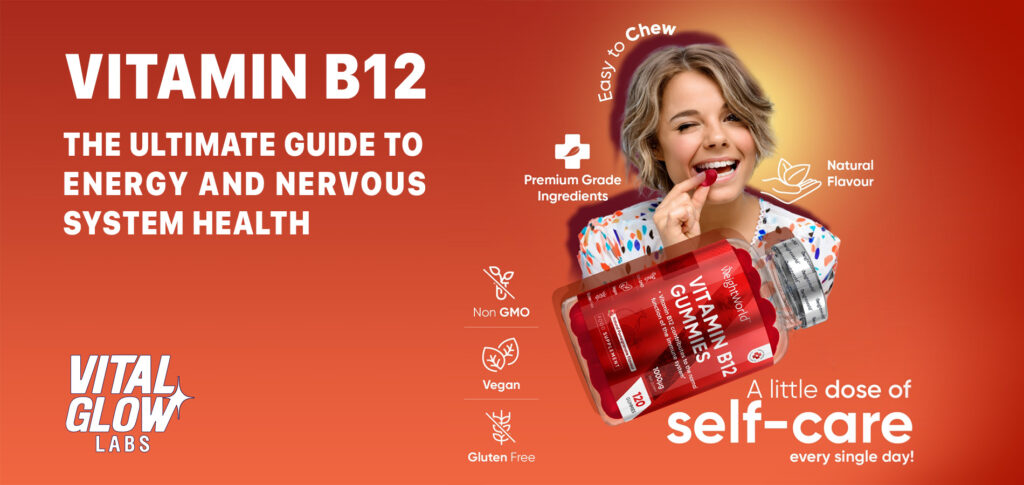
Vitamin B12: An Introduction
Vitamin B12, also known as cobalamin, is a vital nutrient that your body needs to function properly but cannot produce on its own. This water-soluble vitamin plays a key role in red blood cell production, DNA synthesis, and the proper function of the nervous system.
B12: Your Blueprint for a Healthier Life
Vitamin B12 is essential for your body’s core functions. It supports healthy nerve function, aids in DNA and red blood cell production, and fuels your energy levels, helping you perform at your best and live a more vibrant life.
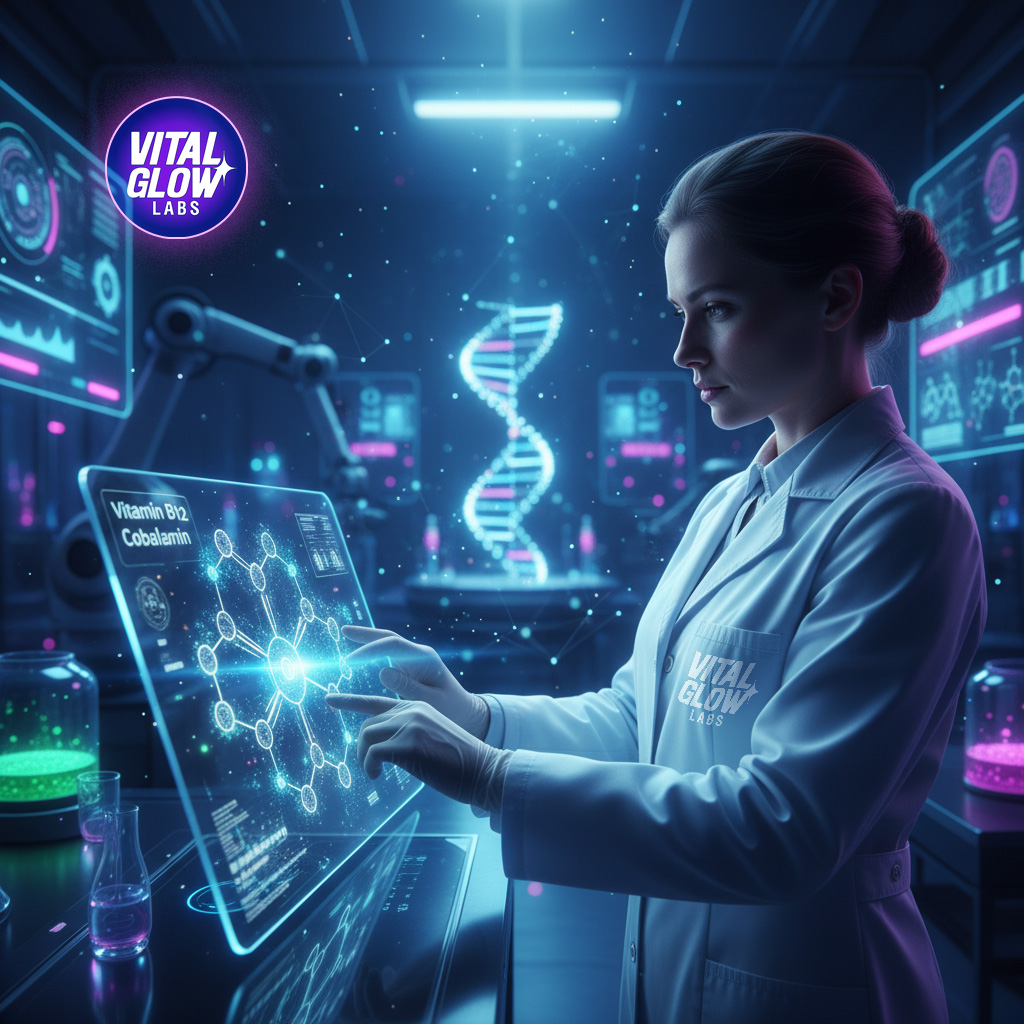
The Connection Between Vitamin B12 and Energy
People often refer to Vitamin B12 as the “energy vitamin.” This nickname is not without reason; B12 plays a vital role in the process of converting the food you eat into usable energy for your cells. Without sufficient amounts of this vitamin, your body struggles to produce energy, resulting in feelings of constant fatigue, weakness, and a lack of stamina. This is why individuals with a B12 deficiency frequently complain of these symptoms.
B12’s Role in a Healthy Nervous System
The proper function of the nervous system is highly dependent on Vitamin B12. This vitamin helps protect nerve fibers and is essential for producing myelin, the protective coating around nerves. Myelin allows nerve signals to be transmitted quickly and correctly throughout the body. A long-term B12 deficiency can damage nerve fibers, leading to serious problems such as numbness, tingling, and even cognitive impairment.
Identifying B12 Deficiency
Diagnosing a B12 deficiency can be difficult because its symptoms are often mistaken for other conditions. However, some common symptoms include:
- Extreme fatigue and weakness
- Numbness or tingling in the hands and feet
- Memory and concentration problems
- Mood swings and depression
- Pale or jaundiced skin
Food Sources of Vitamin B12
Fortunately, Vitamin B12 is naturally found in many foods, especially animal products. The main sources include:
- Meats: Red meat, chicken, and fish, especially salmon and tuna.
- Dairy: Milk, yogurt, and cheese.
- Eggs: An excellent and accessible source.
- Seafood: Clams, mussels, and shrimp.
Supplements and Fortified Foods
Vegetarians and vegans, who avoid animal products, are at a higher risk of B12 deficiency because this vitamin is not naturally found in plant sources. For this group, as well as for older adults, consuming supplements and fortified foods is essential. Fortified foods with B12 include some breakfast cereals, plant-based milks (like almond or soy milk), and meat substitutes. Supplements are also available in pill, capsule, or even injectable forms.
A Convenient Solution for Your B12 Needs
In today’s fast-paced world, ensuring you get your essential daily vitamins can be a challenge. But there is a simple, delicious, and effective solution to help you fight fatigue and support your nervous system health.
Introducing Our Vitamin B12 Gummies
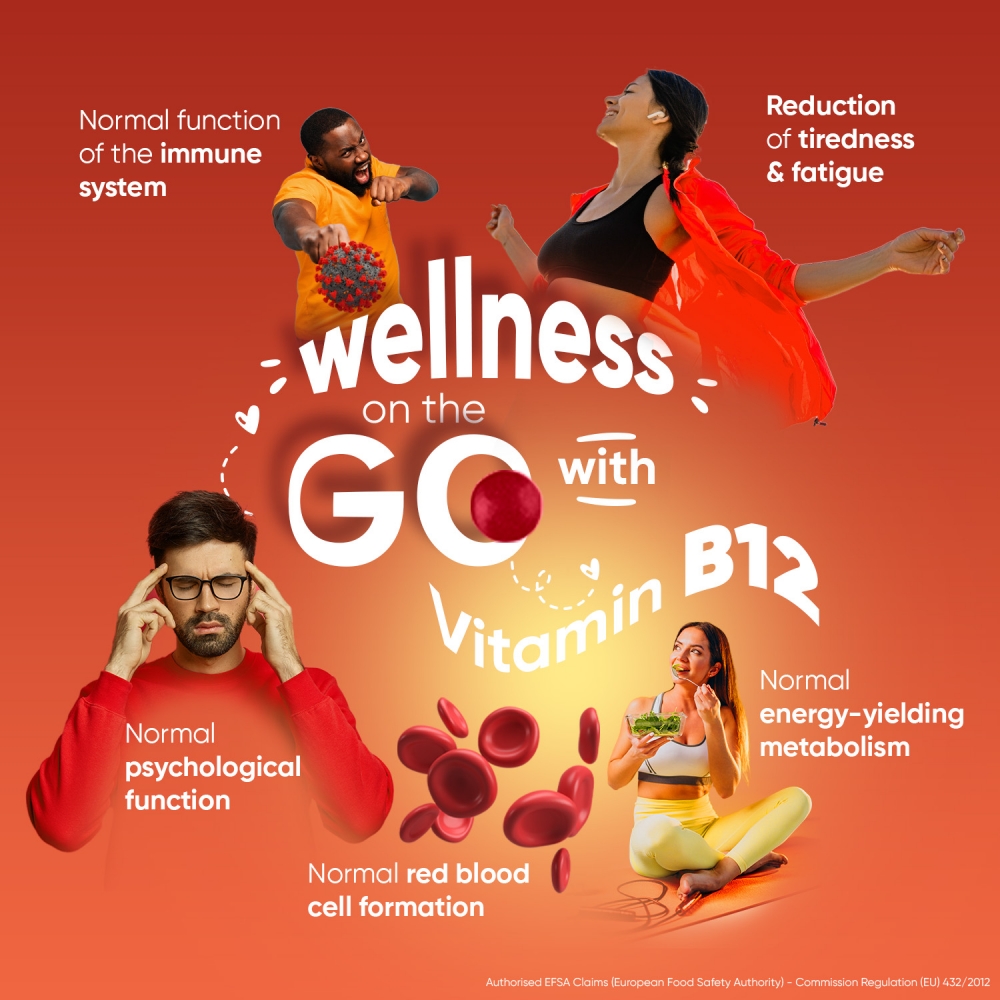
Our Vitamin B12 Gummies are an excellent way to ensure you get your daily dose. Each gummy is formulated with a potent 1000 µg of Vitamin B12 to help:
- Contribute to the reduction of tiredness and fatigue.
- Support the normal function of the nervous and immune systems.
- Play a role in cell division and red blood cell formation.
- Contribute to normal psychological function.
With a delicious, natural Pomegranate flavor and a vegan, gluten-free formula, our gummies are an ideal choice for any diet. Each bottle provides a generous 4-month supply

By choosing this simple and enjoyable solution, you can continue your journey toward a more vibrant, energetic life. To explore the details of our product and its benefits, click the link below.
📷 All images in this article are the exclusive property of VitalGlow Labs. Unauthorized use or reproduction is strictly prohibited.